The way people use their homes has changed considerably over the past decade. A house is no longer viewed only as a place to eat, sleep, and relax. Many households now expect their homes to support remote work, online learning, fitness, entertainment, and changing family needs. Because of these evolving expectations, flexible living spaces have become an increasingly important feature in residential design. Instead of assigning a single purpose to every room, homeowners and builders are creating spaces that can adapt as lifestyles change. Understanding why flexible living spaces are influencing new housing demand helps explain how modern homes are responding to practical, everyday living requirements. To know more, read www.deutsche-startups.de/2025/08/26/tobias-beuler-revolution-im-hausbaumarkt-vom-bauinsider-zum-gesicht-einer-neuen-baukultur/.
Adapting to Changing Lifestyles
Life rarely stays the same for long. Families grow, careers evolve, and personal routines shift over time. A room that serves one purpose today may need to perform a completely different role in the future. Flexible living spaces make these transitions easier. A guest room may become a home office, while a study area could later function as a nursery or hobby room. Instead of requiring major renovations, adaptable layouts allow homeowners to respond naturally to changing circumstances. This versatility increases the long-term usefulness of the property and reduces the need to move simply because household needs have changed.
Supporting Remote Work
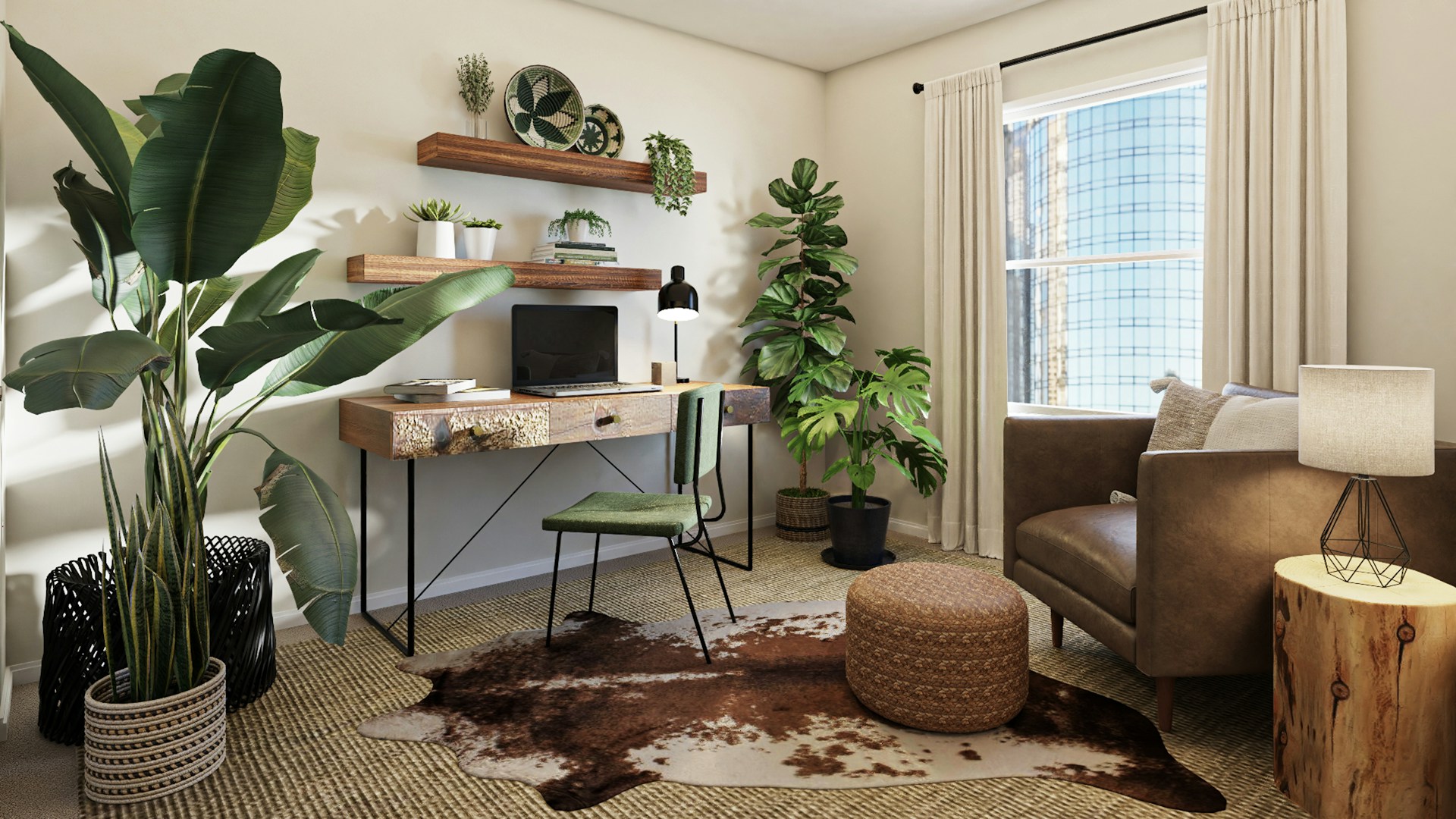
Remote and hybrid work arrangements have changed how many people view residential space. Working from home requires areas that support productivity without interfering with daily family activities. Flexible layouts allow homeowners to create temporary or permanent workspaces without sacrificing the overall function of the house. Sliding partitions, multi-purpose rooms, and adaptable furniture help separate professional tasks from personal life when needed. At the end of the workday, the same space can easily return to serving its original purpose. This adaptability makes homes more practical for households balancing multiple responsibilities.
Maximizing Available Space
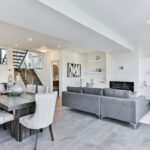
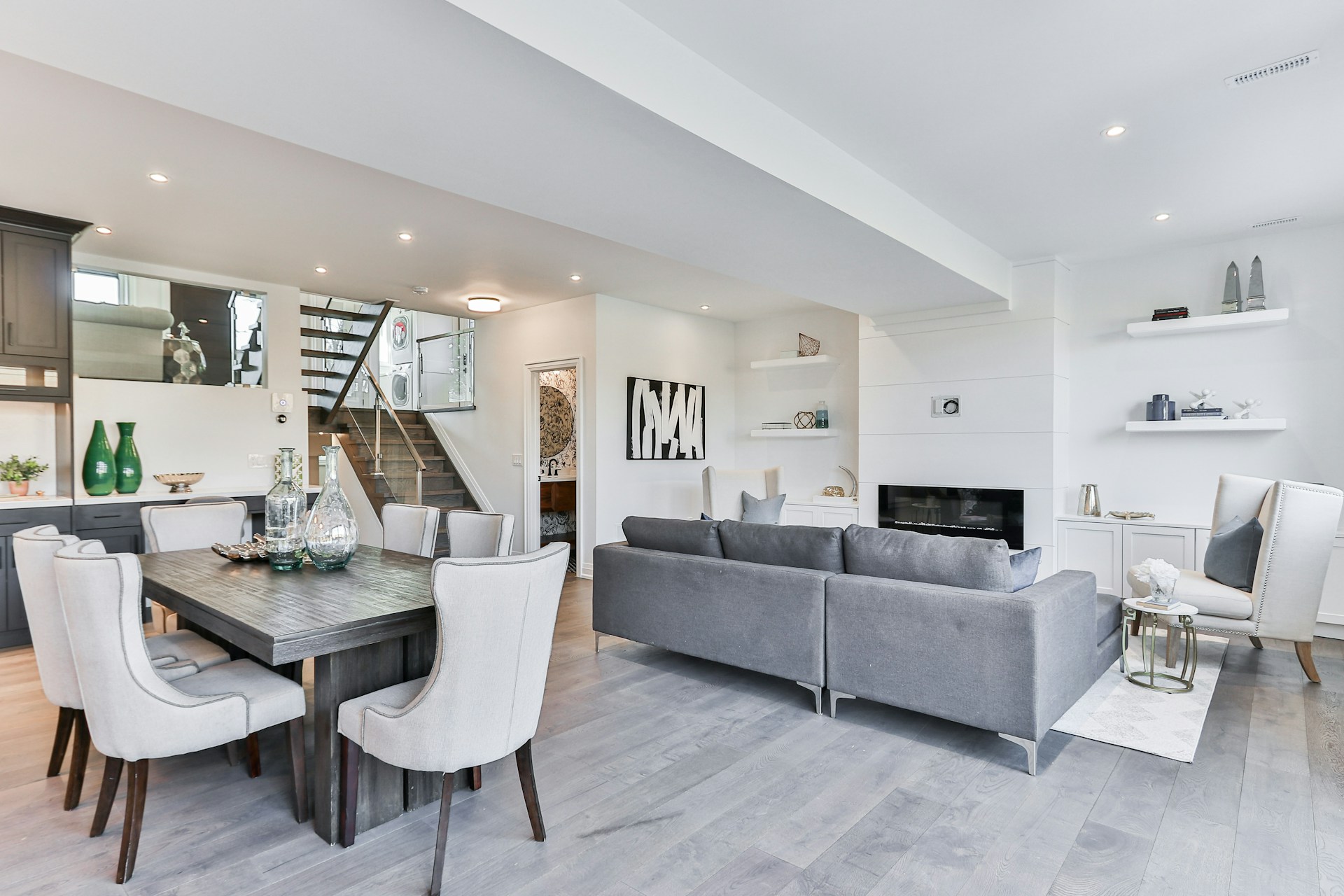
Homebuyers often prioritize how efficiently a home uses its available square footage rather than simply focusing on overall size. Well-designed spaces that serve several purposes frequently provide greater value than larger homes with underused rooms. Flexible living areas improve functionality by allowing one space to support multiple activities throughout the day. A dining area may also serve as a workspace, while a family room can become an exercise area or entertainment space. Efficient layouts allow homeowners to make better use of every part of the home without feeling limited by fixed room functions. This practical approach has become increasingly attractive in modern residential design.
Improving Long-Term Value
Homes that adapt easily to different lifestyles often appeal to a broader range of future buyers. Residential needs vary between individuals, couples, growing families, and retirees. A flexible floor plan gives potential buyers greater freedom to imagine how they would use the property. Instead of being restricted by highly specialized rooms, they can personalize the layout according to their own priorities. This broader appeal may contribute to stronger resale interest because adaptable homes remain useful across different stages of life. Buyers often recognize the long-term benefits of properties that can evolve alongside changing household requirements.

Encouraging Comfortable Living
Comfort extends beyond attractive finishes and modern appliances. A comfortable home also supports the routines and activities that take place inside it every day. Flexible spaces help reduce daily stress by making it easier to adjust the home environment when circumstances change. Family gatherings, quiet work sessions, children’s activities, or overnight guests can all be accommodated more effectively when rooms serve multiple purposes. This adaptability improves everyday convenience while allowing households to enjoy their living spaces without feeling constrained by rigid layouts. Practical design contributes directly to overall residential satisfaction.
Shaping Future Home Design
Residential architecture continues evolving alongside social and economic changes. Builders increasingly recognize that buyers value homes capable of adapting over many years rather than serving only immediate needs. Future housing developments are expected to place even greater emphasis on versatile layouts, movable design elements, and efficient use of space. Technology, changing work habits, and shifting family structures will likely continue influencing residential planning. Flexible living spaces provide builders with opportunities to create homes that remain practical as homeowner expectations continue changing. Adaptability has become an important consideration in modern housing because it supports both present lifestyles and future possibilities.
Flexible living spaces are influencing new housing demand by adapting to changing lifestyles, supporting remote work, maximizing available space, improving long-term value, encouraging comfortable living, and shaping future home design. Rather than limiting rooms to a single function, modern homes increasingly focus on versatility that allows spaces to evolve alongside the people who live in them. Understanding why flexible living spaces are influencing new housing demand demonstrates that today’s buyers value adaptability as much as appearance. Homes designed to accommodate changing routines provide lasting practicality while supporting greater comfort throughout different stages of life. As residential expectations continue evolving, flexible layouts will remain an important feature in modern housing design.