Why Flexible Living Spaces Are Influencing New Housing Demand
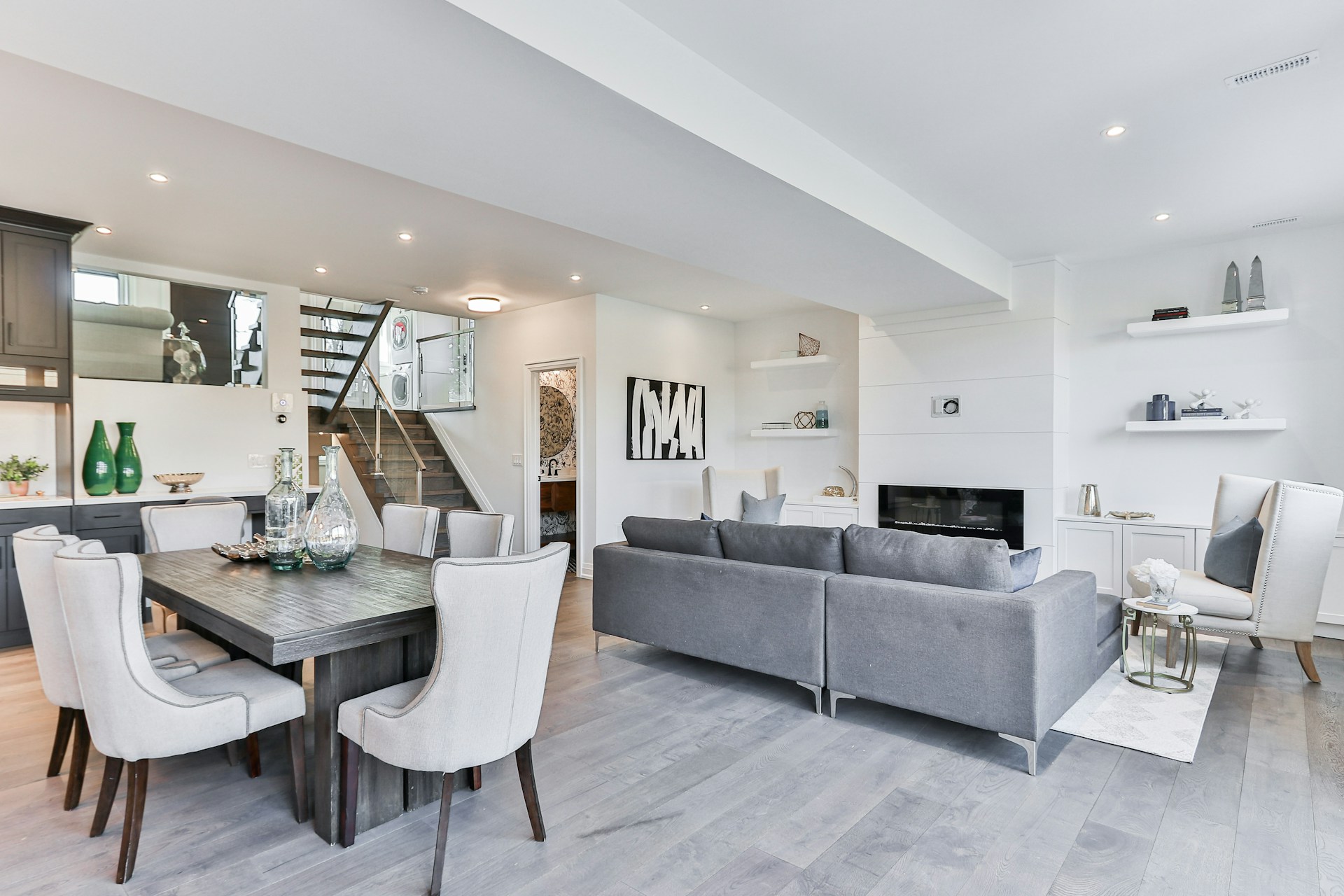
The way people use their homes has changed considerably over the past decade. A house is no longer viewed only as a place to eat, sleep, and relax. Many households now expect their homes to support remote work, online learning, fitness, entertainment, and changing family needs. Because of these evolving expectations, flexible living spaces have become an increasingly important feature in residential design. Instead of assigning a single purpose to every room, homeowners and builders are creating spaces that can adapt as lifestyles change. Understanding why flexible living spaces are influencing new housing demand helps explain how modern homes are responding to practical, everyday living requirements. To know more, read www.deutsche-startups.de/2025/08/26/tobias-beuler-revolution-im-hausbaumarkt-vom-bauinsider-zum-gesicht-einer-neuen-baukultur/.
Adapting to Changing Lifestyles
Life rarely stays the same for long. Families grow, careers evolve, and personal routines shift over time. A room that serves one purpose today may need to perform a completely different role in the future. Flexible living spaces make these transitions easier. A guest room may become a home office, while a study area could later function as a nursery or hobby room. Instead of requiring major renovations, adaptable layouts allow homeowners to respond naturally to changing circumstances. This versatility increases the long-term usefulness …

Last Posts
 How Setback Distances Shape the Feel of Residential Streets
- Why Flexible Living Spaces Are Influencing New Housing Demand
- How to Choose the Right Smart Lighting for Every Room
- Pool House Perfection: Tips for Blending Style and Practicality
- Top Reasons Bromley Is One of London’s Most Desirable Suburbs