
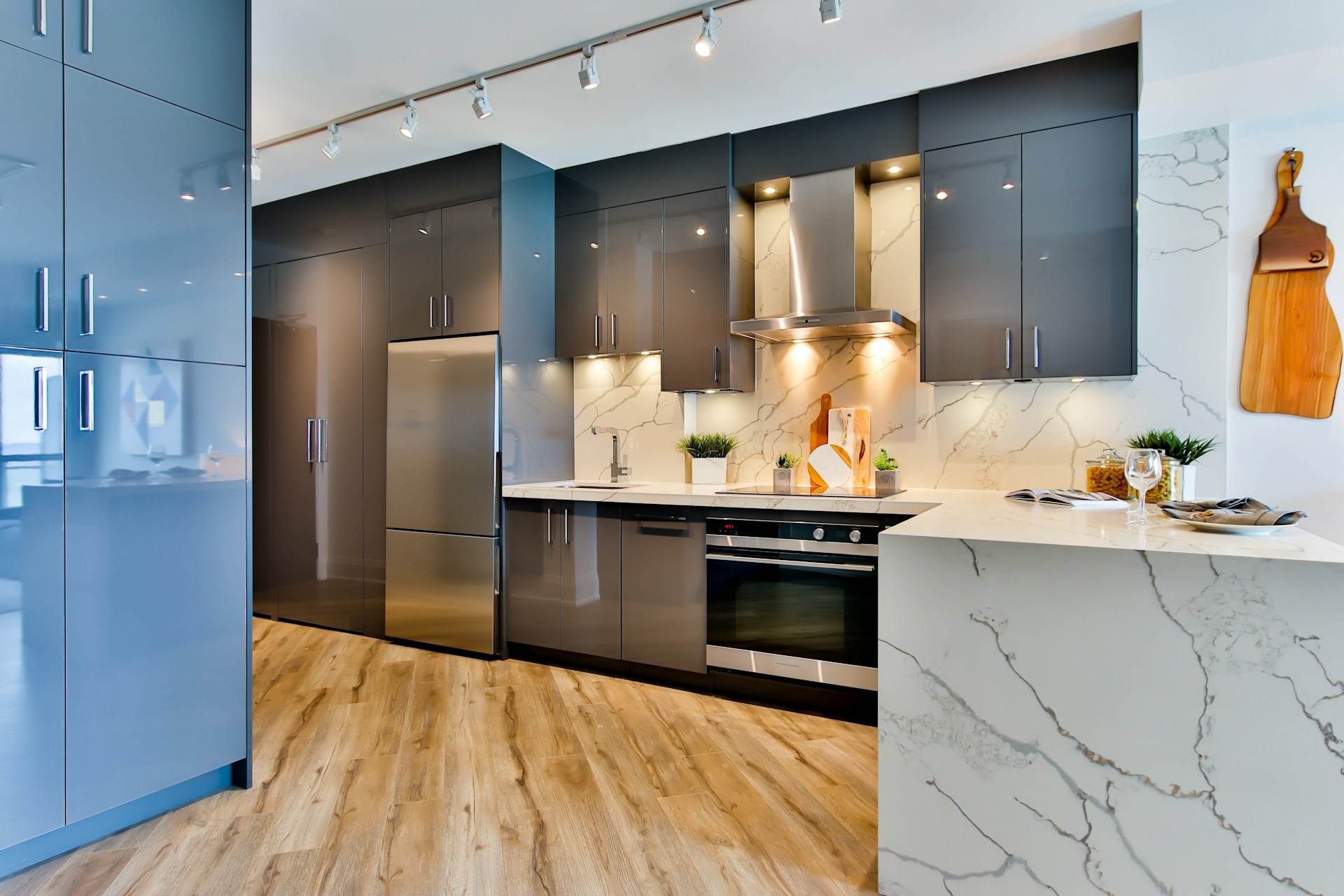
Have you ever noticed that even a well-decorated room can feel uncomfortable or uninspiring? Lighting plays a surprisingly large role in shaping the mood, functionality, and perception of space. With the rise of smart lighting, homeowners can now customize brightness, color, and schedules to match lifestyle and room purpose. But how do you select the right lights for each area without overcomplicating the installation? This guide explores five essential tips for choosing smart lighting that enhances comfort, efficiency, and style throughout your home. For additional guidance on professional installation and safety, consult resources like the electrician services blog, which provide helpful insights for homeowners and renters alike.
Understand Each Room’s Purpose
The function of a room dictates the type of lighting it requires, so it is important to analyze how each space will be used. Living areas, for instance, benefit from adjustable brightness levels that allow for lively gatherings during the day and a softer, more relaxing ambiance in the evening. Bedrooms should favor warm, soothing tones that support rest, while workspaces or home offices demand cooler, brighter lighting to reduce eye strain and enhance focus. Considering the primary activities in each room ensures the lighting design complements daily routines, making the space both inviting and practical for its intended use.
Choose the Right Type of Smart Lighting
Smart lighting options vary widely, from standard LED bulbs to integrated ceiling fixtures, and selecting the right type for each room is critical. LED bulbs are versatile, energy-efficient, and can often adjust color and brightness according to mood or time of day. Light strips add flair and flexibility in areas like under cabinets, behind televisions, or along hallways, offering soft accent lighting without needing major rewiring. Integrated fixtures provide consistent illumination and simplify device management, making them ideal for rooms that require reliable overhead light. Matching the style and type of smart lighting to each room guarantees functionality while complementing the overall décor.
Focus on Energy Efficiency
Energy savings are a significant advantage of modern smart lighting, and careful selection can reduce both environmental impact and electricity costs. Adjustable brightness and dimming capabilities prevent unnecessary power consumption while maintaining proper illumination for different tasks. Scheduled operation allows lights to turn off automatically when rooms are empty, while smart grouping of zones ensures energy is not wasted on areas that do not require full illumination. Investing in energy-conscious lighting not only benefits the household financially over time but also extends the life of bulbs and reduces maintenance, making it a practical choice for both new and existing homes.
Prioritize Control and Automation
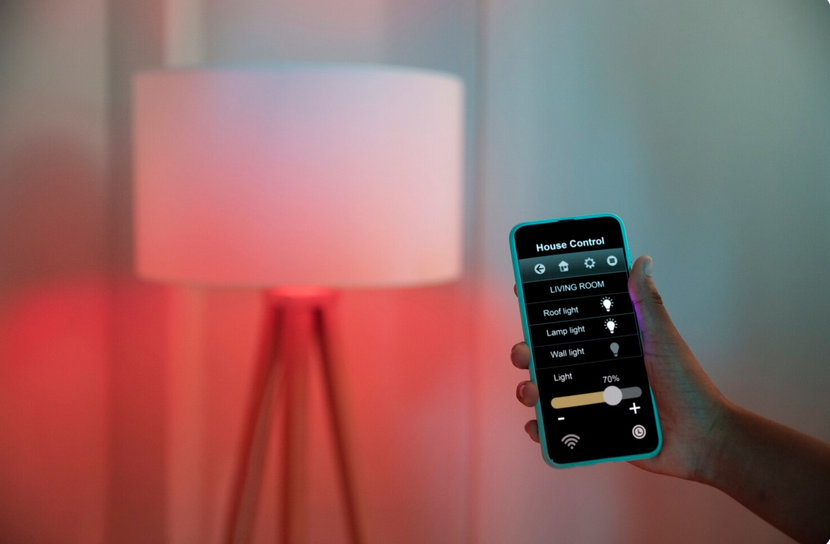
A key advantage of smart lighting is the control it provides over ambiance and energy use, and these features should be a deciding factor in your selection. Voice-activated assistants allow hands-free operation, which is particularly convenient in kitchens or busy living spaces. Mobile apps give full command over brightness, color, and schedules from anywhere, providing convenience for households with varying routines. Automation features, including motion sensors or timers, can adjust lighting automatically in unoccupied spaces, improving efficiency while adding an element of security. Prioritizing control and automation ensures your smart lighting system adapts to lifestyle patterns and enhances both comfort and convenience.
Combine Functionality with Aesthetic Appeal
Lighting should complement the interior design of a room while supporting its practical needs. Color temperature plays a major role in setting the mood, with warmer tones creating cozy environments and cooler tones promoting alertness in work areas. Accent lighting can highlight architectural details, artwork, or shelving, adding depth and sophistication to the space. Layered lighting, combining overhead fixtures with lamps or wall-mounted units, allows for dynamic adjustments depending on activity or time of day. By balancing style with practical utility, homeowners can create spaces that are visually engaging, functional, and comfortable, enhancing the overall living experience.
Smart lighting is a transformative element in modern homes, improving comfort, convenience, and energy efficiency. By understanding room function, selecting appropriate lighting types, prioritizing control and automation, focusing on energy savings, and balancing style with practicality, homeowners can create tailored solutions for every space. Thoughtful lighting design enhances daily routines, elevates interior aesthetics, and contributes to a more efficient, enjoyable living environment. Investing in a well-planned smart lighting system ensures that each room meets the needs of its occupants, providing a seamless blend of functionality, ambiance, and long-term value that benefits both homeowners and renters alike.