Prefabricated homes offer unique solutions for building in extreme climates. Whether in scorching deserts, frigid polar regions, or hurricane-prone coastal areas, prefab construction provides efficiency, durability, and flexibility. These homes are built using components manufactured off-site, then transported and assembled on location. Proper design and planning are crucial to ensure comfort, safety, and long-term performance in challenging environments. To know more, visit Immobilien.de.
Material Selection for Durability
Materials play a critical role in extreme climate performance. In hot climates, reflective roofing and heat-resistant cladding help reduce energy use. In cold regions, high-quality insulation and moisture-resistant materials prevent heat loss and condensation. Coastal areas require corrosion-resistant metals and treated wood to withstand salt and humidity. Selecting the right materials ensures the home remains durable and safe while maintaining energy efficiency.
Thermal Insulation and Energy Efficiency
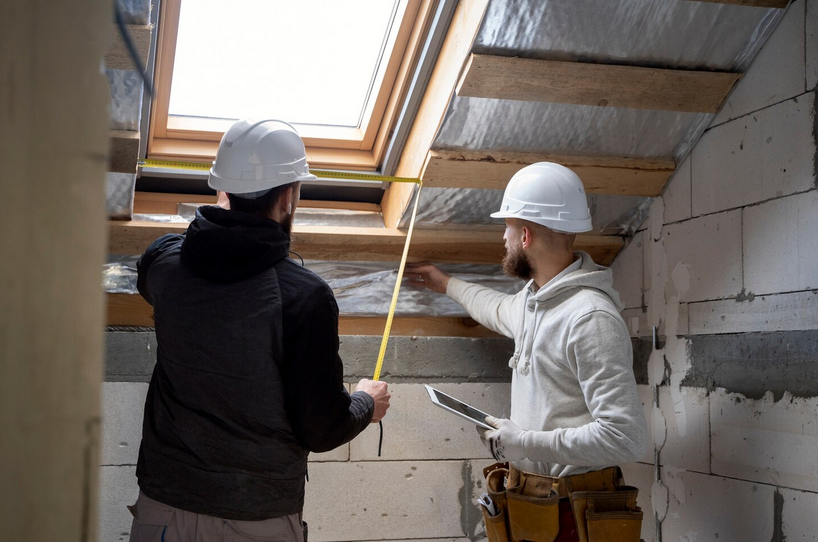
Maintaining comfortable indoor temperatures is essential in extreme climates. Prefab homes allow precise installation of insulation, minimizing heat transfer. Double- or triple-glazed windows, insulated doors, and airtight construction reduce energy consumption. Solar orientation and shading techniques can further enhance efficiency. Attention to thermal performance ensures that homes remain livable while keeping utility costs manageable.
Structural Integrity and Load-Bearing Design
Extreme weather often involves heavy winds, snow, or seismic activity. Prefabricated components must be engineered to withstand these forces. Cross-laminated timber (CLT), reinforced panels, and steel framing are commonly used in high-stress environments. Connections and joints are designed for maximum strength. Careful structural engineering ensures that the home can endure harsh conditions without compromising safety.
Moisture and Water Management
Water infiltration can be a significant problem in extreme climates. Heavy rains, snowmelt, or coastal storms can damage the structure if not properly managed. Prefab homes can incorporate moisture barriers, elevated foundations, and effective drainage systems. Roof designs, gutter systems, and sealants help prevent leaks. Proper water management is a unique consideration that ensures longevity and protects the interior from damage.
Ventilation and Indoor Air Quality

Extreme temperatures often make natural ventilation challenging. Prefab homes can integrate mechanical ventilation systems, heat recovery units, and controlled airflow to maintain healthy indoor air. Proper ventilation prevents mold growth, regulates humidity, and improves occupant comfort. Homes designed for extreme climates must balance airtightness for energy efficiency with effective air circulation for health and safety.
Site Adaptation and Foundation Considerations
The terrain and local environment significantly influence prefab home design. In permafrost regions, raised foundations prevent ground thawing. Sandy or unstable soils require deep pilings or reinforced bases. Coastal areas may need elevated platforms to avoid flooding. Assessing the site and adapting foundation designs ensures stability and protects the home from environmental stressors.
Sustainable practices are critical when building in extreme climates. Prefab homes can incorporate renewable energy systems such as solar panels, wind turbines, or geothermal heating. Energy-efficient appliances and water-saving systems reduce the environmental footprint. Planning for future climate changes, such as increased storms or temperature fluctuations, ensures that the home remains functional and resilient. Prefabrication allows these systems to be integrated during manufacturing, maximizing efficiency and reducing installation complexity.