Families don’t thrive in spaces that keep everyone in separate corners. They flourish in homes that nudge connection, spark laughter, and invite daily moments together—without forcing them. A smart home layout doesn’t just look good; it quietly shapes how people feel and interact. Think less “picture-perfect” and more “how does this space make everyday life easier and warmer?” Below are four layout ideas that encourage bonding, calm, and shared experiences without sacrificing personal space.
Garden Spaces That Welcome Everyone
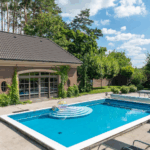
Gardens aren’t just for green thumbs or weekend warriors. With the right layout, your outdoor space becomes a daily retreat for the whole crew. Think of it as an extension of your living room. A small firepit invites late-night stories and marshmallows. Raised beds give kids a chance to grow their strawberries or carrots, and essential tips for new gardeners can make this even easier and more rewarding. Even a shaded table can double as a work-from-home desk or homework spot. Gardens that are too pretty to touch stay empty. But ones with purpose and play built-in? Those bring people outside and closer.
Open Yet Zoned Common Areas
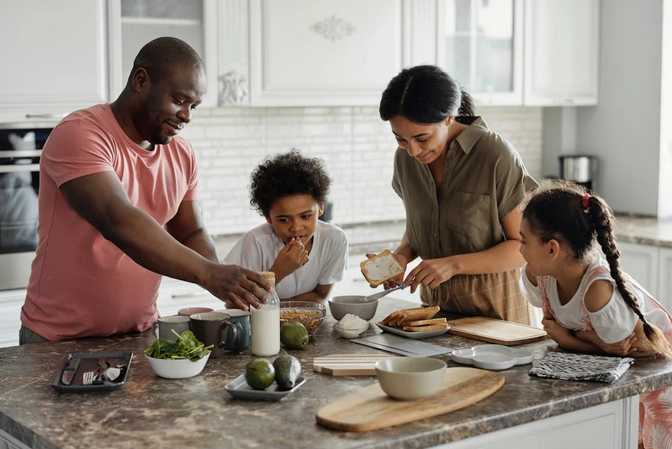
 Open floor plans sound dreamy on paper. But without some structure, they can feel chaotic. Instead of knocking down every wall, try combining the kitchen, dining, and living areas with subtle dividers. A kitchen island, a half-wall, or a shift in flooring can define spaces while keeping the flow. This way, one person can cook while another lounges nearby, still able to chat or offer a taste test. It’s about being together without being on top of each other.
Shared Spaces With Personality
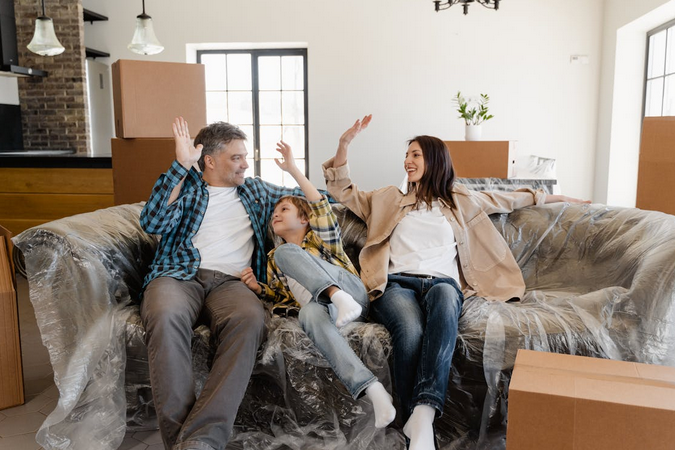
Family rooms often turn into neutral zones that cater to no one. Flip that. Give every family member a reason to love being there. Add a big board game shelf, a blanket basket, or a wall for rotating kid art and silly selfies. The goal isn’t aesthetic perfection—it’s personality and flexibility. A reading nook by the window might attract one child, while floor cushions and a projector might turn weekends into family movie nights. The trick is making the space feel lived-in and loved. That’s what draws people back again and again.
Balance Between Shared and Personal Zones
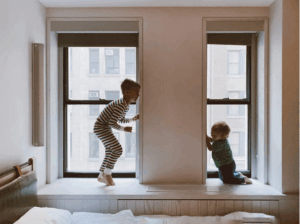
Togetherness is important, but so is space to breathe. Bedrooms don’t have to be massive, but giving everyone a spot to decompress is a quiet act of love. This is especially true for teens or parents who need a pause button after long days. Hallway reading benches, mini office nooks, or hobby corners in spare rooms offer moments of escape without full isolation. The goal is balance—where people can retreat and recharge without feeling removed from family life. Even a locked bathroom door can become a sacred space if the rest of the home respects personal needs.
A good home layout doesn’t shout its purpose—it supports it subtly. It creates rhythms that make dinner conversations easier, Sunday mornings slower, and weekday routines smoother. You don’t need fancy furniture or a full renovation. What matters more is being intentional about how your family moves, connects, and rests. When your home makes that easier, bonding becomes part of the background. And that’s the kind of quiet magic every family deserves.