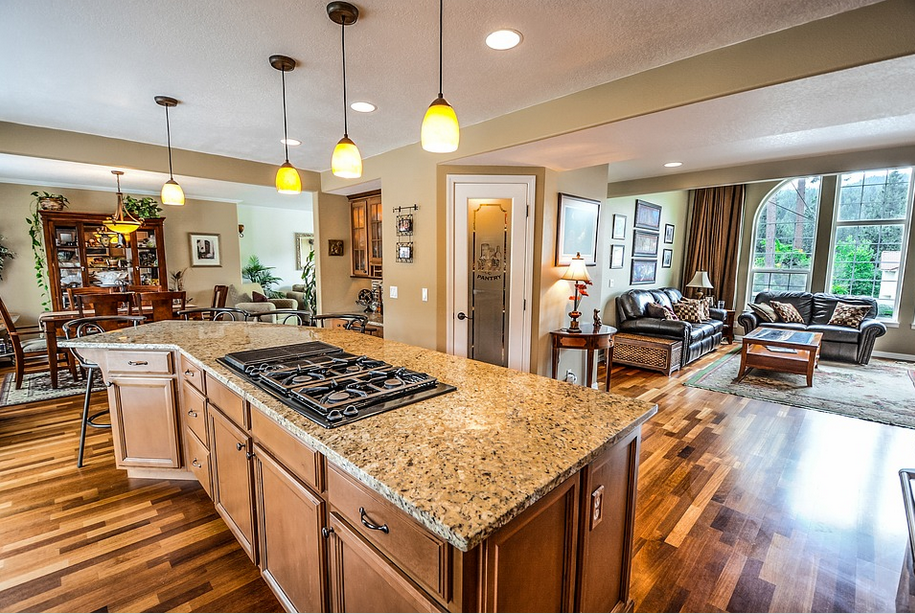
We’ve all experienced the frustrations that can come with interior design. There will always be obstacles to your vision, whether you decide to go a different route with your existing decor or start from scratch in a new home. Although interior design can seem overwhelming, it’s not that difficult. It’s much easier to break down the interior design into its essential components.
In addition to the principles of interior design, various design elements must work in synergy to create a visually appealing space. These design elements can serve as a guide for decorating your home:
Light
Light refers to both artificial and natural light sources. Light is closely related to texture, and color can only exist without a light source. Natural lighting is also an excellent option for your house. You can find living room shutters to use when you do not want natural light coming into your home.
Lighting can help set the mood of a room. Soft lighting often gives a romantic and cozy feeling. Natural light makes rooms appear brighter and more welcoming. Interior design also includes lighting. Lighting can be used to illuminate work, reading, and dining areas or to highlight specific objects such as paintings, sculptures, or other artwork.
Space
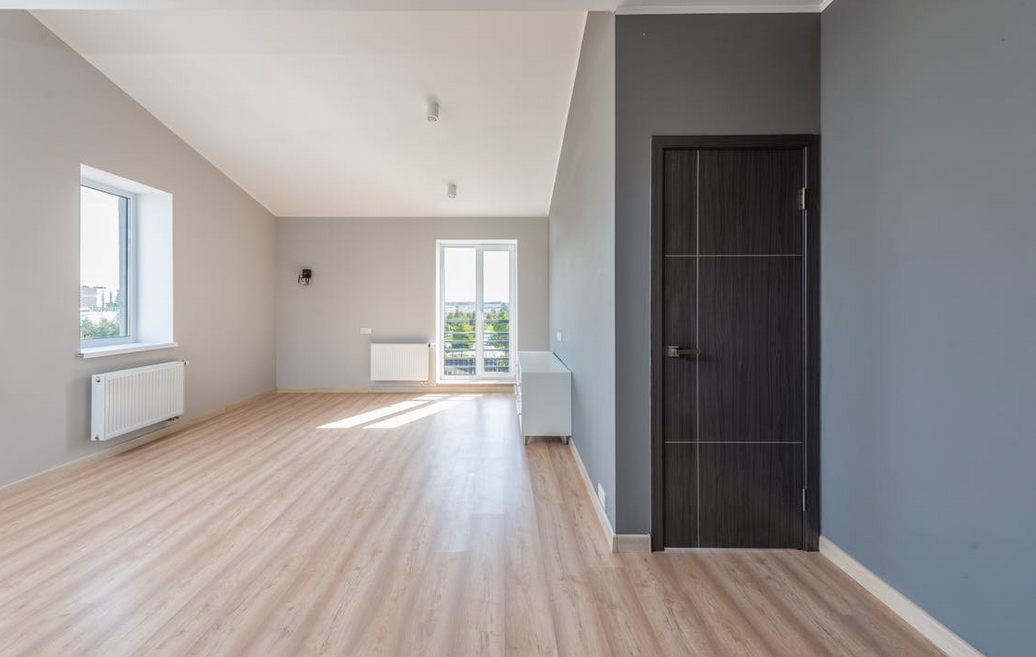
Space is an easy-to-understand design element. It refers to the physical boundaries of a room. Unless you are an architect, you usually cannot determine the size of a room. Therefore, it is vital to find ways to make the best use of the available space and layout. The amount of furniture you can put in a room is limited. Do not overload your apartment with accessories and furniture if it is small. Don’t be afraid to spend a lot of money on fittings if your room is large.
Pattern
 The pattern is often used in combination with color as a design element. It is used to add life and interest to interiors. Patterns like textures can be used to add dimension to surfaces. Patterns are often created from repeated patterns in fabrics, carpets, and tiles. Think about how dull a room would be without patterns. You can also add wallpapers with patterns to accent your walls. Or buy pillowcases with patterns to match your couch or bed to give it a bit of spice.
Form
In interior design, the term “shape” is often used as a synonym for “form.” It can be applied in interior design according to the principles to create certain feelings and effects. A long dining table in a rectangular room can create harmony. Balance and contrast can be achieved by placing a series of pendant lamps above the table. However, it is essential to remember that using multiple forms in a room can result in a disjointed and confusing design.